
Please wait..
Please wait..

10 Apr 2026 Blogs
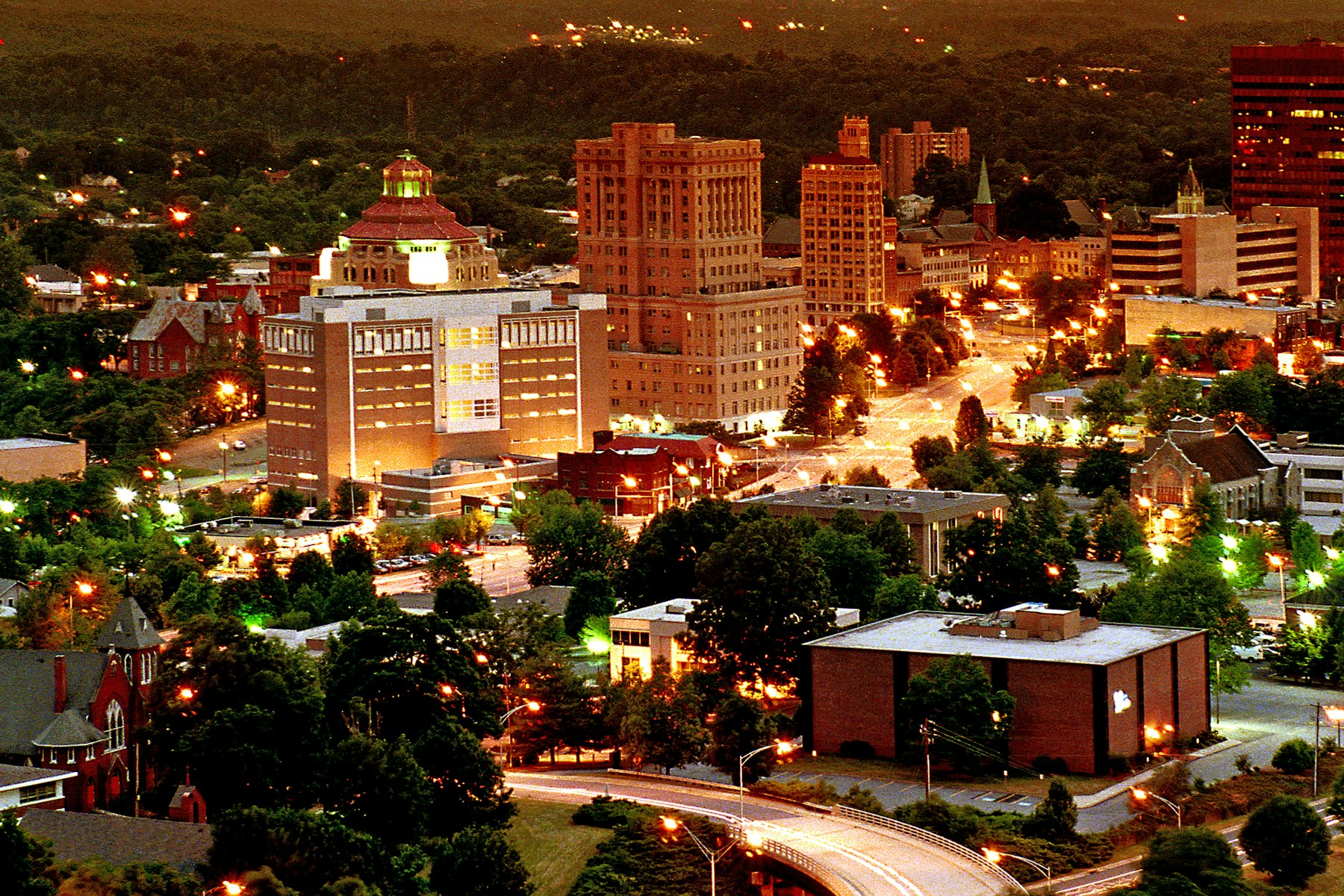
The Grove Park Inn has watched over Asheville from the side of Sunset Mountain for more than a century. Even if you never book a room, it's worth an hour or an evening: the lobby is one of the great rooms in the South, and the view from the back terraces takes in the city and the Blue Ridge beyond.
Here is the story behind the building, plus practical tips for visiting as a non-guest.
The inn was the project of Edwin Wiley Grove, a St. Louis businessman who made his fortune in patent medicine and went on to shape much of modern Asheville. In 1909 he and his son-in-law, Fred Loring Seely, bought land on the slopes of Sunset Mountain north of downtown.
Seely had no architectural training. He was a newspaperman. Even so, he sketched the design himself and ran the construction. The finished inn stayed remarkably close to his drawing.
Work moved fast. Crews of around 400 men, many of them Italian stonemasons, finished the building in just under a year. The inn opened in July 1913, with William Jennings Bryan as the keynote speaker at the opening banquet.
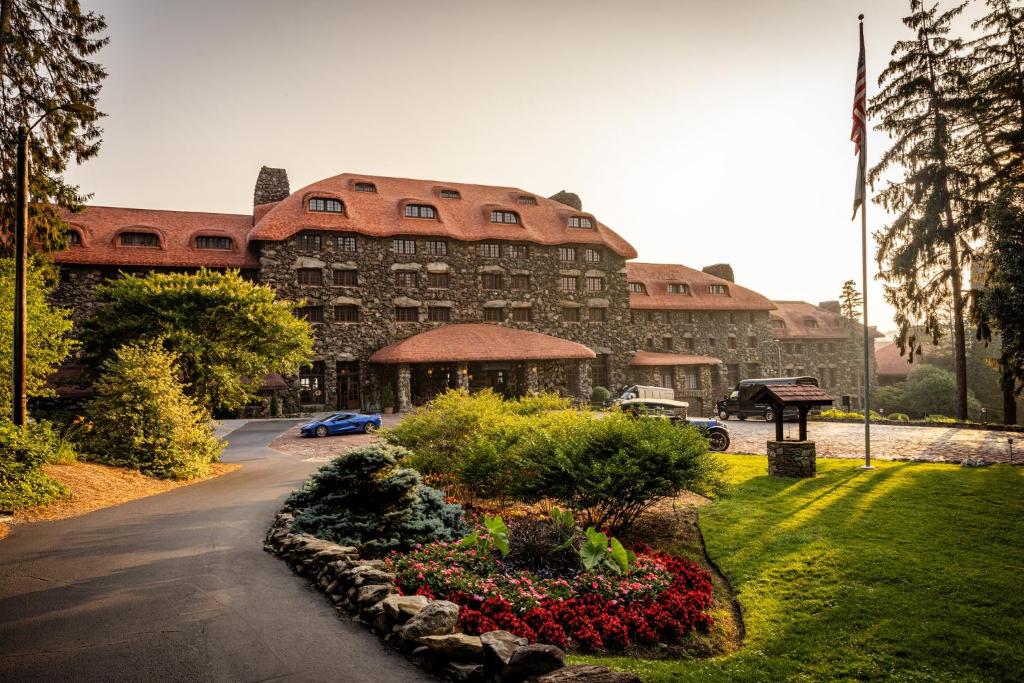
The first thing you notice is the stone. The walls are built from huge, uncut granite boulders gathered from Sunset Mountain, some weighing several tons. Workers moved them with mules, wagons, ropes, pulleys and a single steam shovel.
Grove wanted the stone to look as if it had always been there. The boulders were set with their weathered faces out, and moss and lichen were left in place. The red clay tile roof rolls over the top like the ridgelines around it.
Look closely at the two giant boulder fireplaces in the Great Hall. Each chimney hides a small elevator inside it, a detail most visitors walk right past.
Seely furnished the inn in the Arts and Crafts style, a movement that favored solid, handmade furniture and simple lines over Victorian frills. Much of that look survives in the Great Hall, with its heavy wood, warm lighting and stone.
Photos of past guests line the hallways, and the list is long. Thomas Edison, Henry Ford, Harvey Firestone, John D. Rockefeller and Harry Houdini all stayed here. The resort counts ten U.S. presidents among its visitors, from Taft and Wilson to Eisenhower, Nixon, Clinton and Obama.
The most famous long-term guest was F. Scott Fitzgerald. He spent much of 1935 at the inn, always in the same pair of rooms, 441 and 443. It was a hard stretch for him. He was struggling to write, and his wife Zelda later received treatment at a hospital in Asheville.
The inn also has a ghost story. Staff and guests have long told tales of the "Pink Lady," a spirit said to drift through the older part of the building.
The inn changed hands several times over the years. Charles Sammons bought it in 1955 and expanded it, and new wings added in the 1980s more than tripled the room count. The inn was listed on the National Register of Historic Places in 1973. A large underground spa opened in 2001, and Omni Hotels bought the property in 2013.
The Grove Park Inn is a working resort, so be a considerate visitor. The common areas are generally open to the public, and the best way to enjoy them is to order something.
The spa is built into the hillside below the inn, with stone grottos, waterfall pools, saunas and steam rooms. It's a big draw, but access for non-guests is limited.
Call the resort to ask what's open to non-guests on your dates. Policies change, and the spa's page is the place to confirm.
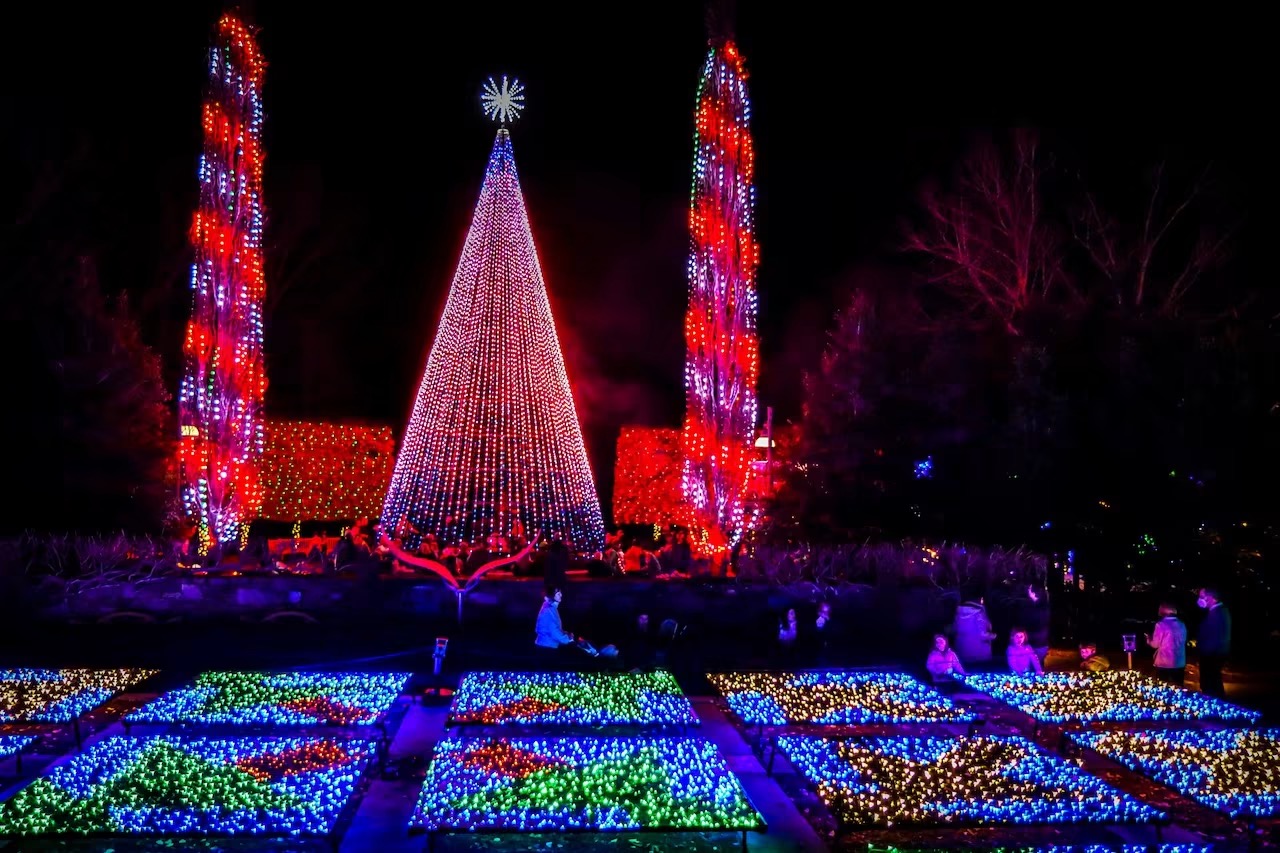
Each holiday season the inn hosts the National Gingerbread House Competition, and the entries go on display in the hotel for weeks. Non-guest viewing is limited on busy weekends, and parking fills up. See our Asheville holiday guide for how to plan a visit.
Pair the inn with a morning downtown, then come up for a late lunch or sunset drinks. If you're staying on the south side of town, our Biltmore Forest Retreat is 7.5 miles from downtown and has its own sauna and hot tub for after.
Book direct and save up to 15%. See our Asheville homes or call Sean at 772-485-2353.