
Please wait..
Please wait..

14 Aug 2026 Blogs
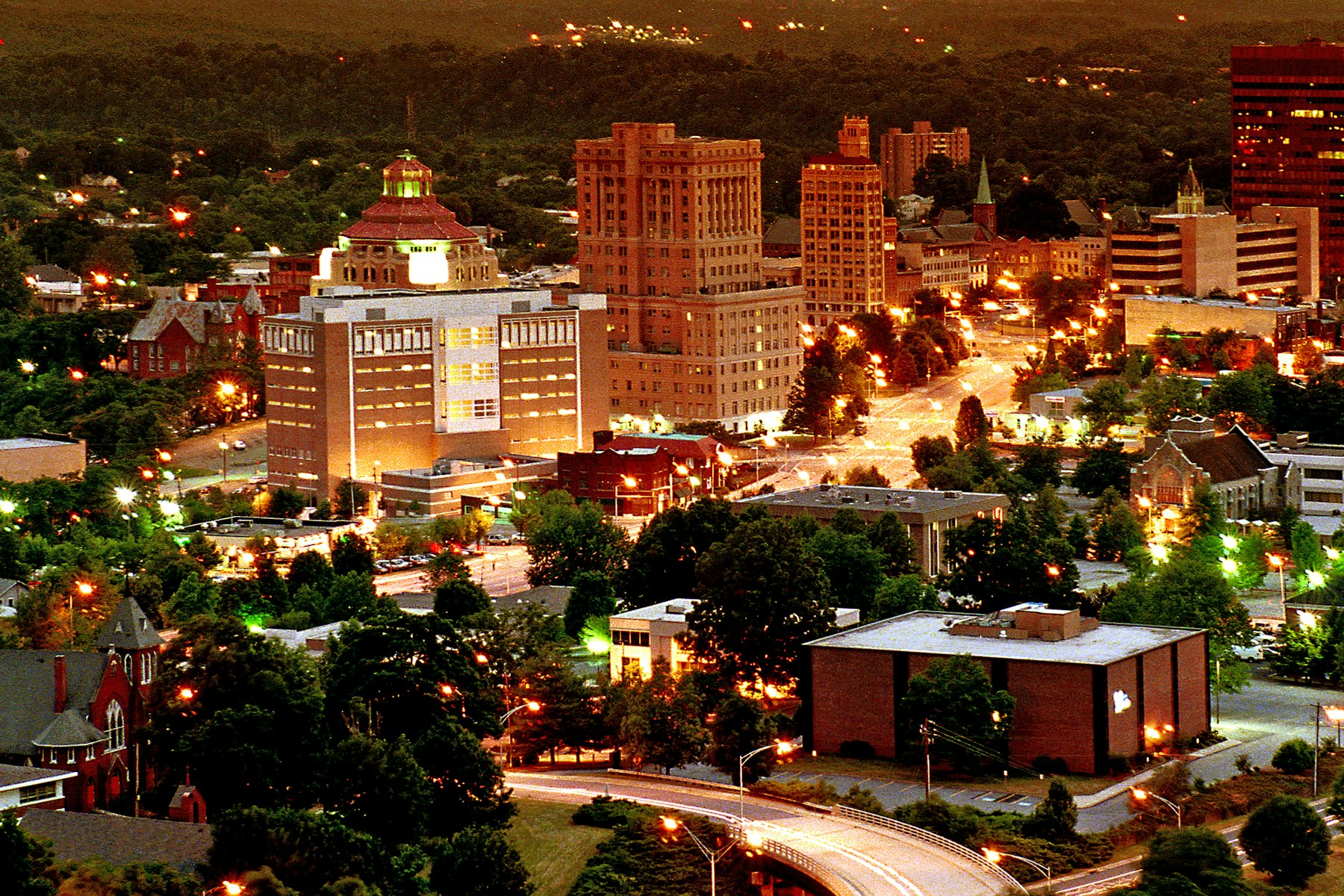
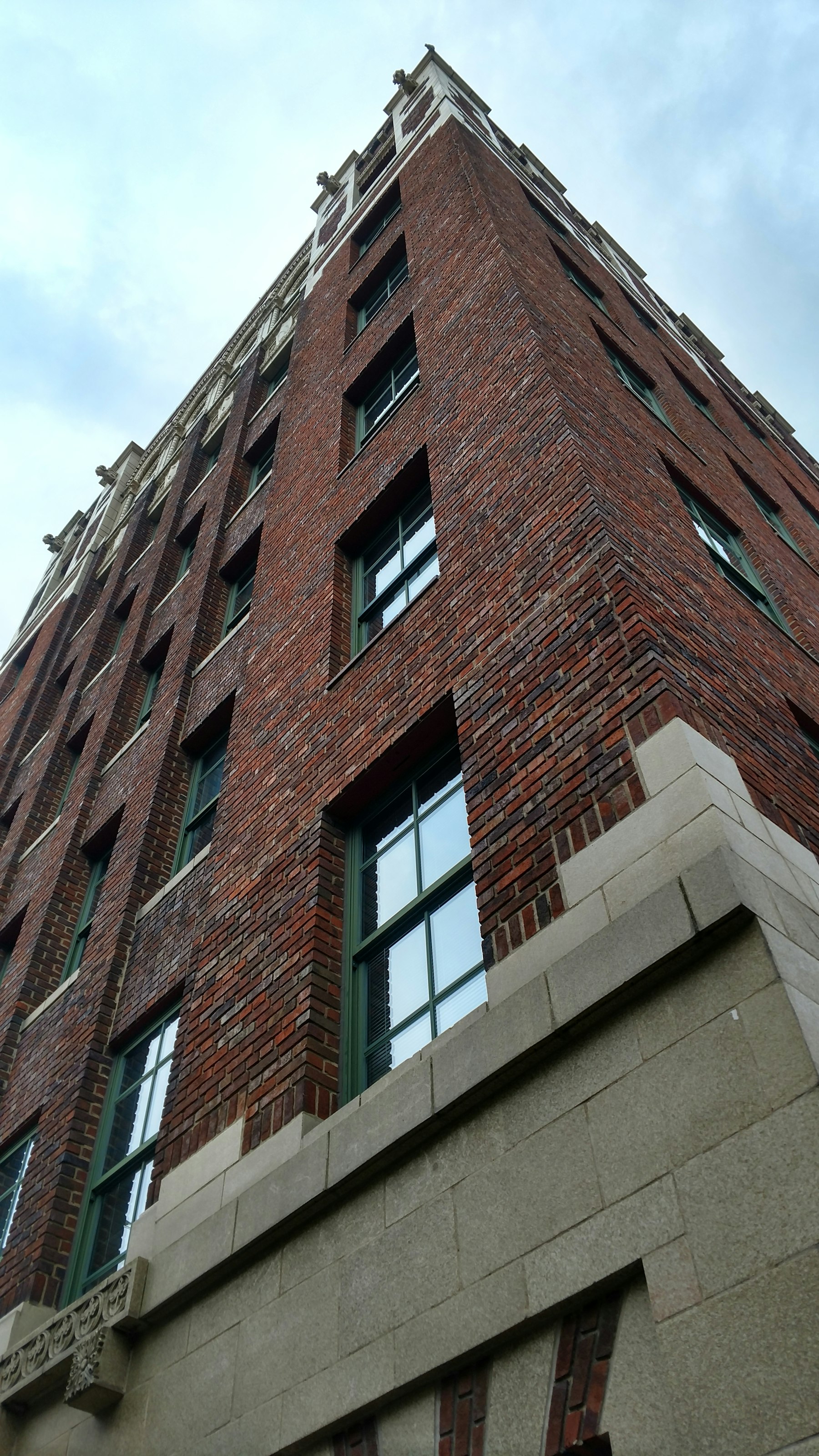
Asheville packs a surprising amount of architecture into a small mountain city. A building boom in the 1920s, followed by decades when there was little money to tear anything down, left downtown with a remarkable run of Art Deco buildings that most cities lost long ago.
Add a Spanish master builder, a Gilded Age village, a neighborhood of Victorian houses and a quiet streak of mid-century modern design, and you have a full weekend for anyone who notices rooflines.
Explore Asheville publishes a free Architecture Trail with 14 downtown stops, an interactive map and a printable PDF. It is the easiest way to see the highlights in one loop on foot.
Stops include the Jackson Building, the Flatiron Building, the old Kress Building, Pack Memorial Library and the Battery Park Hotel. Go early on a weekday morning for easier photos and less sidewalk traffic.
Douglas Ellington is the name to know. He trained at the École des Beaux-Arts in Paris, practiced in Pittsburgh, and moved to Asheville in 1925, right as the city was booming.
In about five years he gave downtown its signature look:
After 1929 the Depression hit Asheville hard, and the city spent decades paying off its debts. That is a big reason so many of these buildings survived instead of being replaced.
Edwin Wiley Grove, who made his fortune in patent medicine, commissioned the Grove Arcade as an indoor shopping center covering a full city block. Architect Charles N. Parker designed it, and it was built from 1926 to 1929.
A skyscraper tower was planned on top but never built. Grove died during construction, and the crash ended the tower plans.
During World War II the federal government took over the building and evicted the shops. It later housed the National Climatic Data Center. A restoration reopened it in 2002 with shops, restaurants and apartments.
Go inside. The two-story interior, iron staircases and glass ceiling are the point. Shop hours vary by merchant.
Rafael Guastavino came to Asheville in the 1890s to work on Biltmore House. He stayed and designed the Basilica of St. Lawrence, begun in 1905 and finished in 1909 by his son after his death.
Guastavino was famous for thin, interlocking tile vaults. The church has no wood or steel beams. Its central dome, about 58 by 82 feet, is said to be the largest freestanding elliptical dome in North America.
Guastavino himself is buried inside. The basilica is an active parish, so visit quietly and avoid service times.
At the gates of Biltmore Estate, George Vanderbilt built a small planned village in the style of an English manor town. Richard Morris Hunt designed All Souls church. After Hunt died in 1895, his supervising architect, Richard Sharp Smith, finished the village.
Look for the "Biltmore style": brick, rough pebbledash stucco and heavy timbers. Many of the original cottages now hold shops and galleries.
The Village flooded badly during Hurricane Helene in 2024. Many businesses have reopened, and walking the streets is a good way to support them. The Historic Biltmore Village site lists who is open.
Just north of downtown, the Montford Area Historic District has more than 600 buildings, most built between about 1890 and 1920. You will see Queen Anne houses, Arts and Crafts bungalows, Colonial Revival and even a few castle-like details.
Richard Sharp Smith designed many homes here too, and his pebbledash and shingle work is easy to spot once you know it.
Park once and walk. Finish at Riverside Cemetery, where Thomas Wolfe and O. Henry are buried. Most Montford homes are private, and several are inns, so stick to sidewalks.
Asheville's modernist story is quieter but real. In the early 1940s, six local architects, including Henry Gaines and Anthony Lord, formed Six Associates to compete for wartime contracts. It grew into the largest architecture firm in Western North Carolina.
Lord's Asheville Citizen-Times Building on O. Henry Avenue, from the late 1930s, is often cited as the moment local design turned from Art Deco toward modernism. Lord also designed the D. Hiden Ramsey Library at UNC Asheville.
Most mid-century work here is residential. Neighborhoods like Kenilworth and Biltmore Forest, and the hillsides around town, hold low-slung houses with flat or shallow roofs, long windows and decks that open to the trees. The nonprofit NC Modernist keeps a list of documented Asheville-area houses. They are private homes, so admire them from the street.
East of Asheville, near the town of Black Mountain, Black Mountain College ran from 1933 to 1957 and became one of the most influential experiments in American art and design. Josef and Anni Albers taught there, and Buckminster Fuller was among the many artists who passed through.
At its Lake Eden campus, students helped build the modernist Studies Building, designed by A. Lawrence Kocher. Walter Gropius and Marcel Breuer drew plans for the lakeside, but the college could not afford to build them.
Start downtown at the Black Mountain College Museum + Arts Center on College Street. Admission is free with a suggested donation. The museum also runs seasonal walking tours of the Lake Eden campus, which is otherwise private.
Our own homes grew from this local mid-century thread. The Ridgetop A-Frame and Ridgetop Lodge are mid-century homes reimagined for modern wellness, each with a sauna and hot tub in the trees, 7.5 miles from downtown.
Book direct and save up to 15%. See our Asheville homes or call Sean at 772-485-2353.
Photo by Roger Darnell on Unsplash.